
Part 1:
And So It Began
For some time, I’ve been disappointed that I didn’t learn photography formally at college or university; that I’d missed an opportunity when I retired prematurely from engineering in 2005. I felt that in some undefined way, my photographic work has been disadvantaged by the lack of proper training. But recently I realised that all the workshops I’ve attended over the last decade, all the courses I’ve completed and all the mentoring I’ve received have built into a well-structured, self-constructed course of learning from experts in their fields. So much so, that when I heard myself described as being ‘well-trained’ recently I thought “yes I am”.
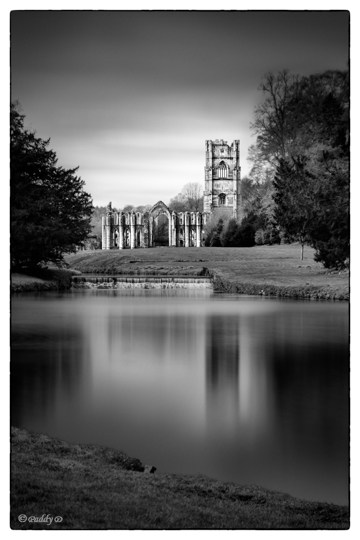
From 'Perhaps …' Series
In Memory of Kate
In contrast, my first foray into photography in the 70s (analogue photography it’s now called!) was definitely self-taught and minimally learnt; me as both instructor and student; the blind leading the blind! And it was this understanding which started me on ‘The Journey’ – to learn about digital photography ‘properly’ from the ground up; to become a ‘proper’ photographer.
Unexpectedly, the first stages weren’t straightforward because all the courses I could find, in and around Leeds, were designated ‘beginner’, ‘improver’, ‘advanced’ etc and I had no idea how to define myself:
Did I have a confident, competent grasp of all the fundamentals? No – and worse, I didn’t know what I didn’t know. So definitely a beginner then.
Could I develop a film and use the equipment in a dark room to create black and white prints? Yes. So definitely not a beginner then.
In the end I took the more flexible option which is so readily available in the 21st century, I turned to the internet. I started with a 10-week, online, basic course with the Open University in 2008, then progressing to more specialist photography courses with other providers. Then I added photography workshops into the mix – an opportunity to meet like-minded enthusiasts, see how they work, see what they saw, engage with their energy and passion; then I added drawing sessions – connecting back to technical drawing at University; then (online again) Art History courses – using millennia of creative expression in other media to inform my photography; then the pinnacle – three years mentoring with Julia Anna Gospodarou, (an acclaimed international photographer) also attending two of her workshops.
Thinking back over the decade, I must confess that I never had an explicit plan which would culminate in being mentored by Julia; it was always step-by-step. It was as if I started a train journey in Leeds and went to York; then stood in York station and looked at the departures board and chose Edinburgh because, at that time and stage of the learning-journey it ‘made sense’; then, from Edinburgh I chose Glasgow, and so on. I’d never anticipated going to Glasgow but each individual step of the journey was logical – reassuringly so – and Glasgow has proven to be a brilliant, exciting, stimulating destination.
Thinking back has also allowed me to consider the strengths and weaknesses of this approach to training. Most notably the advantages are that there’s been time for photographic ideas to germinate, gestate, develop to maturity. And there’s also been the space to work with/for Ian, meeting the history education community and learning from their non-commercial, non-industrial, pupil-centred perspectives.
There have been disadvantages of course, mostly the constraints one would anticipate from distance learning (i.e. isolated development without peer interaction, stimulus, sharing and context). And also there’s been my natural tendency to select options which appeal to me, rather than ones which, arguably, could have been more valuable, more needed. But overall, I’d say the journey was successful – engineering to fine art photography – mission accomplished.
But was it?